Word Explanation
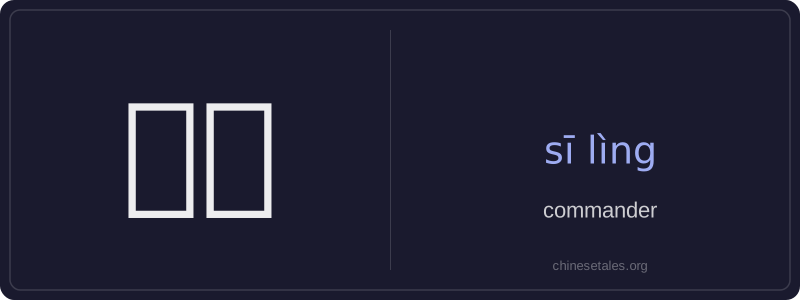
司令 (sī lìng) literally combines 司 (sī), meaning 'to manage' or 'to control', and 令 (lìng), meaning 'order' or 'command'. Together, they form a noun meaning 'commander'—a high-ranking military officer who holds authority over troops and issues strategic orders. It is commonly used in formal and official contexts, especially when referring to commanders of major military branches or regional commands, such as the 'naval commander' or 'theater commander'.
The term carries strong institutional weight and is rarely used outside military or historical settings. Unlike more general terms like 领导 (leader), 司令 specifically denotes top-tier operational command authority. It may appear in titles (e.g., 总司令 — Commander-in-Chief) or news reports about armed forces. While historically rooted in Chinese military structure, it's also used in modern PLA terminology and occasionally in fiction or film depicting military leadership.
Example Sentences
Related Words
见面
见面 literally means 'see face' — combining 见 (t
背后
背后 literally means 'back + behind' and functions
中学
'Zhōngxué' literally combines 'zhōng' (middle)
面条
‘面条’ (miàn tiáo) literally means ‘flour str
后来
Later (hòulái) is an adverb meaning 'afterwards'
我的
我的 (wǒ de) is a possessive pronoun meaning 'my'
这么
这么 (zhè me) is an adverb meaning 'so' or 'this
前面
前面 (qián miàn) literally combines 前 (qián, '