Word Explanation
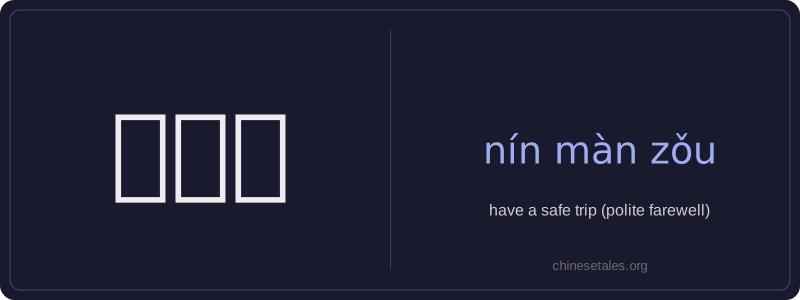
您慢走 (nín màn zǒu) is a polite, traditional Chinese farewell expression used when someone is leaving—especially in service contexts like restaurants, shops, or homes. Literally, it means 'you, slowly walk', but functionally it conveys warm wishes for the person’s safe and comfortable departure. The honorific pronoun 您 (nín) shows respect, 慢 (màn) implies taking one’s time and staying safe, and 走 (zǒu) simply means 'to go' or 'to leave'. Unlike casual farewells like 再见 (zàijiàn), this phrase carries subtle hospitality and care, often spoken with a gentle tone and slight bow or nod.
This expression is deeply rooted in Chinese etiquette and reflects Confucian values of respect and consideration for others’ well-being. It’s commonly used by shopkeepers, hotel staff, hosts, or elders addressing guests. While not used in formal writing, it’s ubiquitous in face-to-face interactions where politeness and warmth matter most—especially in northern China and formal southern settings. It is never used when speaking to close friends or children, as it would sound overly stiff or distant.
Example Sentences
Related Words
见面
见面 literally means 'see face' — combining 见 (t
背后
背后 literally means 'back + behind' and functions
中学
'Zhōngxué' literally combines 'zhōng' (middle)
面条
‘面条’ (miàn tiáo) literally means ‘flour str
后来
Later (hòulái) is an adverb meaning 'afterwards'
我的
我的 (wǒ de) is a possessive pronoun meaning 'my'
这么
这么 (zhè me) is an adverb meaning 'so' or 'this
前面
前面 (qián miàn) literally combines 前 (qián, '