Word Explanation
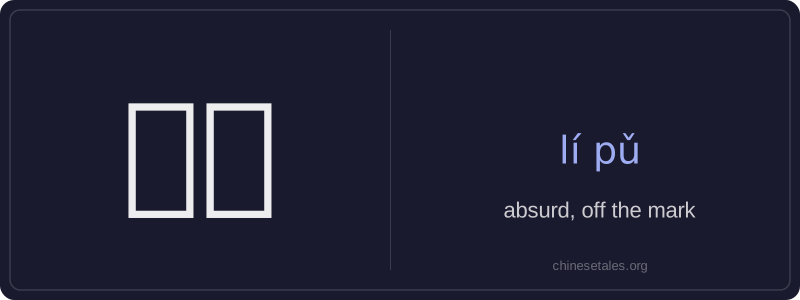
离谱 literally means 'off the musical score'—'离' (lí) means 'to depart from' or 'away from', and '谱' (pǔ) originally refers to a musical score or standard. Figuratively, it describes something wildly inconsistent with reality, reason, or accepted norms—so absurd or implausible that it’s as if it’s strayed completely from the expected 'score'. It’s commonly used in informal speech to express disbelief, criticism, or humorous exaggeration.
The term often carries a light-to-moderate tone of disapproval or amusement, depending on context. While not vulgar, it’s conversational rather than formal—rarely found in academic writing or official documents. It frequently modifies nouns (e.g., 离谱的事) or functions predicatively after 是 or 得 (e.g., 这太离谱了; 说得太离谱). Its vivid imagery makes it memorable and widely understood across age groups in daily communication.
Example Sentences
Related Words
见面
见面 literally means 'see face' — combining 见 (t
背后
背后 literally means 'back + behind' and functions
我的
我的 (wǒ de) is a possessive pronoun meaning 'my'
中学
'Zhōngxué' literally combines 'zhōng' (middle)
面条
‘面条’ (miàn tiáo) literally means ‘flour str
后来
Later (hòulái) is an adverb meaning 'afterwards'
在家
'Zài jiā' literally combines the preposition 'z
不对
不对 (bù duì) literally combines 不 (bù), meani