Word Explanation
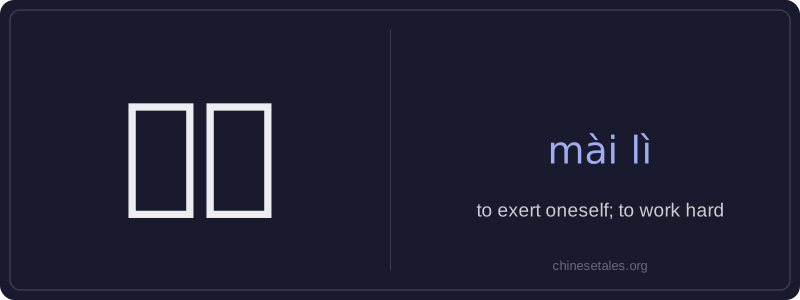
卖力 (mài lì) literally combines 卖 (mài, 'to sell') and 力 (lì, 'strength' or 'effort'), but its meaning is idiomatic: it describes putting forth vigorous, wholehearted effort — as if 'selling one’s strength' to show full commitment. It emphasizes visible, energetic exertion rather than quiet diligence.
This word is commonly used in spoken and informal written Chinese to describe enthusiastic participation or hard work, especially in physical, performative, or team-oriented contexts — like sports, performances, group projects, or manual labor. It often carries a slightly positive or admiring tone, implying commendable dedication, though occasionally hints at overexertion if context suggests exhaustion. Unlike more neutral terms like 努力 (nǔlì), 卖力 stresses outward intensity and observable effort.
Example Sentences
Related Words
见面
见面 literally means 'see face' — combining 见 (t
背后
背后 literally means 'back + behind' and functions
我的
我的 (wǒ de) is a possessive pronoun meaning 'my'
中学
'Zhōngxué' literally combines 'zhōng' (middle)
面条
‘面条’ (miàn tiáo) literally means ‘flour str
后来
Later (hòulái) is an adverb meaning 'afterwards'
在家
'Zài jiā' literally combines the preposition 'z
不对
不对 (bù duì) literally combines 不 (bù), meani