Word Explanation
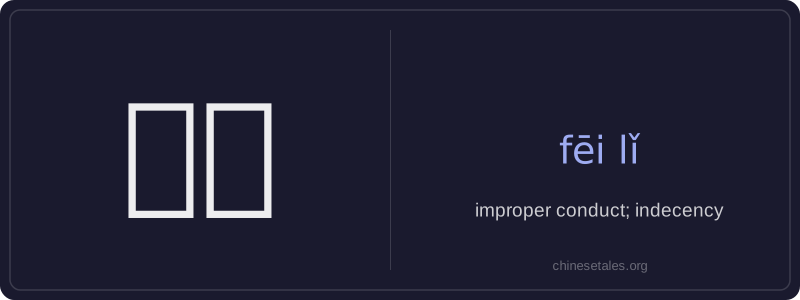
非礼 literally means 'not ritual' or 'against proper rites', combining 非 (fēi, 'not' or 'un-') and 礼 (lǐ, 'ritual', 'propriety', or 'courtesy'). Historically rooted in Confucian ethics, it refers to behavior that violates social decorum—especially inappropriate physical contact or sexual advances. Today, it most commonly denotes unwanted touching, harassment, or indecent acts, carrying strong moral and legal connotations.
The term is formal and serious; it appears frequently in news reports, legal contexts, and public discussions about personal boundaries. While it can occasionally describe non-physical breaches of etiquette (e.g., rude speech), its dominant modern usage centers on violations of bodily autonomy. It is not used for minor social faux pas—those would be described as 失礼 (shī lǐ, 'impolite') instead. Non-native speakers should avoid using 非礼 lightly, as it implies a significant ethical or legal transgression.
Example Sentences
Related Words
见面
见面 literally means 'see face' — combining 见 (t
背后
背后 literally means 'back + behind' and functions
我的
我的 (wǒ de) is a possessive pronoun meaning 'my'
中学
'Zhōngxué' literally combines 'zhōng' (middle)
面条
‘面条’ (miàn tiáo) literally means ‘flour str
后来
Later (hòulái) is an adverb meaning 'afterwards'
在家
'Zài jiā' literally combines the preposition 'z
不对
不对 (bù duì) literally combines 不 (bù), meani