Word Explanation
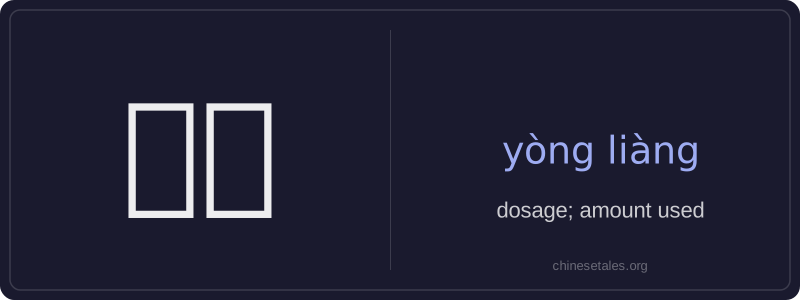
用量 (yòng liàng) literally combines 用 (yòng), meaning 'to use', and 量 (liàng), meaning 'quantity' or 'amount'. Together, it refers to the specific quantity of something used—most commonly in contexts involving medicine, chemicals, food additives, or industrial materials. It emphasizes measured, often prescribed or regulated, usage rather than casual or general consumption.
This term is frequently encountered in healthcare, pharmaceuticals, agriculture, and manufacturing. For example, doctors specify the 用量 of a drug per dose or per day; nutrition labels may list the recommended daily 用量 of vitamins; and pesticide packaging states safe application 用量. Unlike more general terms like 数量 (shùliàng, 'number/quantity'), 用量 always implies purposeful, functional use of a substance—and often carries connotations of precision, safety limits, or official guidelines.
Example Sentences
Related Words
见面
见面 literally means 'see face' — combining 见 (t
背后
背后 literally means 'back + behind' and functions
我的
我的 (wǒ de) is a possessive pronoun meaning 'my'
中学
'Zhōngxué' literally combines 'zhōng' (middle)
面条
‘面条’ (miàn tiáo) literally means ‘flour str
后来
Later (hòulái) is an adverb meaning 'afterwards'
在家
'Zài jiā' literally combines the preposition 'z
不对
不对 (bù duì) literally combines 不 (bù), meani