Word Explanation
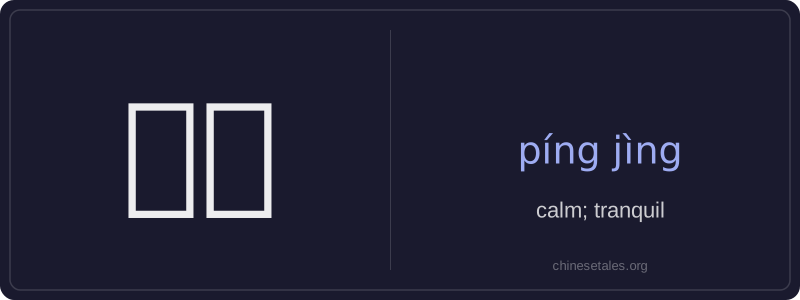
平静 (píng jìng) is an adjective meaning 'calm' or 'tranquil', describing a state free from disturbance, agitation, or strong emotion. The first character 平 (píng) means 'level', 'even', or 'peaceful', while the second character 静 (jìng) means 'quiet', 'still', or 'silent'. Together, they convey a deep, stable calmness — not just absence of noise, but inner composure or stillness in environment or mood. It’s commonly used to describe weather, water surfaces, facial expressions, voices, or psychological states.
This word often appears in literary, descriptive, or reflective contexts — for example, describing a serene lake at dawn, a person’s collected demeanor during crisis, or a quiet, uneventful period in life. It carries a slightly formal or poetic tone and is more common in writing or thoughtful speech than in casual slang. Unlike colloquial terms like 安静 (ān jìng), which focuses on audible quiet, 平静 emphasizes emotional or atmospheric steadiness and balance.
Example Sentences
Related Words
见面
见面 literally means 'see face' — combining 见 (t
背后
背后 literally means 'back + behind' and functions
我的
我的 (wǒ de) is a possessive pronoun meaning 'my'
中学
'Zhōngxué' literally combines 'zhōng' (middle)
面条
‘面条’ (miàn tiáo) literally means ‘flour str
后来
Later (hòulái) is an adverb meaning 'afterwards'
在家
'Zài jiā' literally combines the preposition 'z
不对
不对 (bù duì) literally combines 不 (bù), meani