Word Explanation
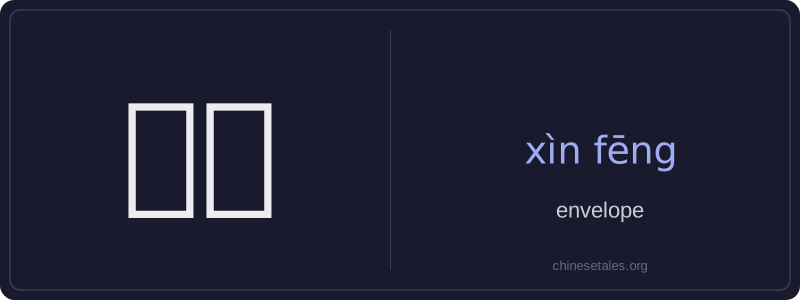
‘信封’ (xìn fēng) literally combines ‘信’ (xìn), meaning ‘letter’ or ‘message’, and ‘封’ (fēng), meaning ‘to seal’ or ‘envelope’. Together, they form the standard word for ‘envelope’—a flat, usually rectangular paper container used to enclose and protect letters, cards, or documents before mailing or handing them to someone. It’s a concrete, everyday object in both personal and formal communication contexts.
This word is neutral in register and commonly appears in writing, postal services, office settings, and daily life—for example, when preparing mail, organizing stationery, or describing packaging. Unlike more technical terms like ‘邮袋’ (yóu dài, mail sack), ‘信封’ specifically refers to the individual paper wrapper. Its structure reflects Chinese word formation: two meaningful characters combining to create a precise, compound noun.
Example Sentences
Related Words
见面
见面 literally means 'see face' — combining 见 (t
背后
背后 literally means 'back + behind' and functions
我的
我的 (wǒ de) is a possessive pronoun meaning 'my'
中学
'Zhōngxué' literally combines 'zhōng' (middle)
面条
‘面条’ (miàn tiáo) literally means ‘flour str
后来
Later (hòulái) is an adverb meaning 'afterwards'
在家
'Zài jiā' literally combines the preposition 'z
不对
不对 (bù duì) literally combines 不 (bù), meani