Word Explanation
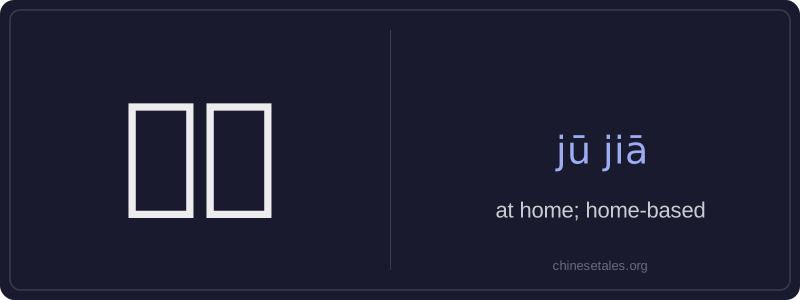
居家 (jū jiā) literally combines 居 (jū), meaning 'to reside' or 'to dwell', and 家 (jiā), meaning 'home' or 'family'. Together, it describes activities, arrangements, or states centered on the home environment. As an adjective, it modifies nouns to indicate something is home-based—such as 居家办公 (working from home) or 居家养老 (aging in place). As a noun, it can refer to the act or practice of staying at home for daily life, often implying intentionality and routine rather than mere absence from elsewhere.
This term carries a neutral-to-positive connotation in modern usage, especially in contexts like remote work, home healthcare, or domestic self-sufficiency. It’s commonly used in official announcements, media reports, and everyday conversation when describing lifestyle choices or public health measures that emphasize remaining at home for safety, convenience, or care.
Example Sentences
Related Words
背后
背后 literally means 'back + behind' and functions
中学
'Zhōngxué' literally combines 'zhōng' (middle)
见面
见面 literally means 'see face' — combining 见 (t
面条
‘面条’ (miàn tiáo) literally means ‘flour str
我的
我的 (wǒ de) is a possessive pronoun meaning 'my'
不对
不对 (bù duì) literally combines 不 (bù), meani
后来
Later (hòulái) is an adverb meaning 'afterwards'
在家
'Zài jiā' literally combines the preposition 'z